
European cuisine: history, characteristics, and popular dishes
- The history of European cuisine
- Types of European cuisine
- The most popular dishes of European cuisine
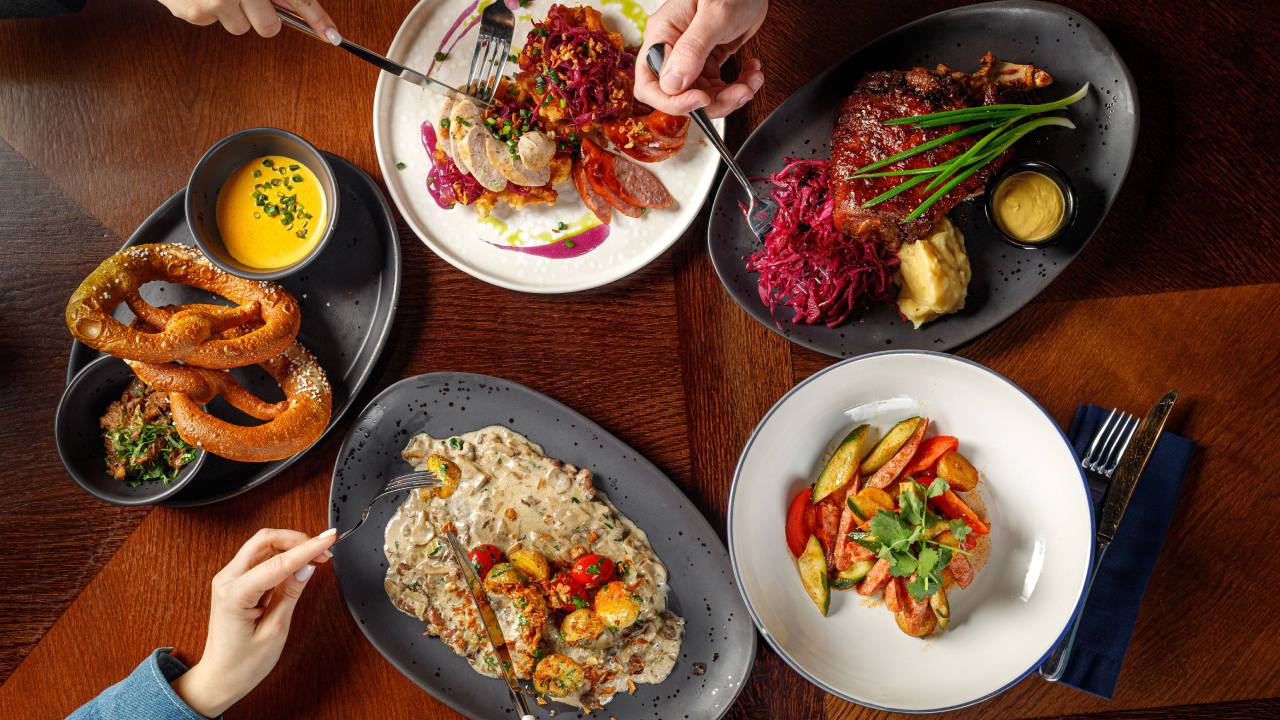
Italian pizza, Belgian waffles, German strudel, French frog legs... All these dishes, so different, are united by a common concept—European cuisine. It is truly multifaceted, as it incorporates the culinary traditions of all European countries, from Ireland to Turkey. What unites the cuisines of different nations? And what is the basis of famous European recipes? Find the answers in this article!
The history of European cuisine
The development of European cuisine began in the Middle Ages. The perfection that many recipes have achieved is largely due to the skill of the chefs who served at the courts of kings and noblemen. The cuisine of ordinary people has always been simpler and more modest, and this has also left its mark. For example, the poor often could not afford to eat meat, which led to the emergence of a huge number of dishes made from mushrooms, berries, wild fruits, and herbs.
The tastes of Europeans have transformed from era to era under the influence of historical events and the fusion of cultures. However, it is European cuisine that is often referred to as classic because it is based on meticulous selection of ingredients and high standards for their quality and freshness.
Types of European cuisine
European cuisine can be divided into several categories:
— Northern European (Britain, Scandinavia, the Baltic States) — based on fish and seafood dishes. The mild climate of the Baltic States has added the gifts of nature to it: vegetables, berries, grains, and mushrooms.
— Central European (Germany, Austria, Hungary, Czech Republic, Poland) — meat dishes, hearty vegetable side dishes, sweet pastries, and beer.
— Southern European or Mediterranean (Italy, Spain, Greece, Portugal) — an abundance of fish and meat, high-quality dairy products, fresh vegetables and herbs, and a cult of olive oil and wine.
— Western European (France, Belgium, Holland) – famous for its cheeses and dairy products. French cuisine stands out in particular, combining provincial simplicity with aristocratic sophistication.
The most popular dishes of European cuisine
Let's take a look at five iconic dishes that vividly illustrate the diversity of European cuisine.
Belgian waffles
If there is a dessert that can win anyone's heart, it is Belgian waffles. They are the pride of Western European, specifically Belgian, culinary tradition. There are two main types: Brussels waffles, which are light, airy, and rectangular, and Liège waffles, which are denser, oval-shaped, and contain caramelized sugar crystals inside.
Brussels waffles are served with savory fillings, from meat to fish, as well as with whipped cream, chocolate, fruit, and ice cream. Liège waffles are good on their own and can be eaten on the go as a filling and sweet snack. The secret to their unique texture lies in the special way the dough is prepared, often using yeast and a large amount of butter.
Fish and chips
This dish is a true symbol of Great Britain and a vivid representative of Northern European cuisine. It consists of golden slices of deep-fried fish (most often cod or haddock) in crispy batter, served with French fries.
The history of the dish began in the working-class areas of London in the 19th century. It was a hearty and inexpensive meal, simple and without frills. Traditionally, fish and chips were wrapped in paper and sprinkled with coarse salt and malt vinegar.
Salade Niçoise
This salad comes to us from sunny Provence and is the benchmark of Mediterranean cuisine. Its basis is freshness and color: ripe tomatoes, boiled eggs, crisp green beans, anchovies, olives, and lettuce leaves. A classic Niçoise salad always includes tuna (fresh or canned). The main feature of the salad is the dressing made from olive oil, lemon juice, garlic, and Provençal herbs.
Live mussels in sauce (Moules Marinières)
This dish epitomizes the cuisine of the Western European coast. The word “live” means that the mussels are cooked immediately after being caught. The classic method of preparation is Moules Marinières: mussels are stewed in a large pot with white wine, shallots, celery, and aromatic herbs (parsley, thyme). The result is a fragrant broth, which is also eaten.
Flemish beef
This dish is the jewel of Belgian and, to some extent, French cuisine in the Flanders region. It is a hearty and aromatic beef stew that is simmered for a long time until it is incredibly tender. The main feature and secret of its taste is the use of dark beer instead of wine or broth. Onions, herbs, and often mustard are also added to the stewed meat.
Tiramisu
One of the most famous desserts, invented in northeastern Italy, in the Veneto region. Classic tiramisu is a layered dessert where light and airy cream made from mascarpone cheese, eggs, and sugar is alternated with savoiardi biscuits soaked in strong black coffee. The finishing touch is cocoa powder, which adds a slight bitterness.
Contrary to popular belief, the authentic recipe does not use alcohol, although some variations may include a little Marsala or liqueur. Tiramisu is not baked but refrigerated, which allows it to “mature” and achieve the perfect delicate consistency.
You can try delicious European cuisine at the Lambic restaurant chain. Our menu has everything from first courses and hot dishes to exquisite desserts. We also offer an extensive beer list and an excellent selection of wines. Come and visit us—it's cozy here!


Why beer is served at different temperatures: explained in simple terms
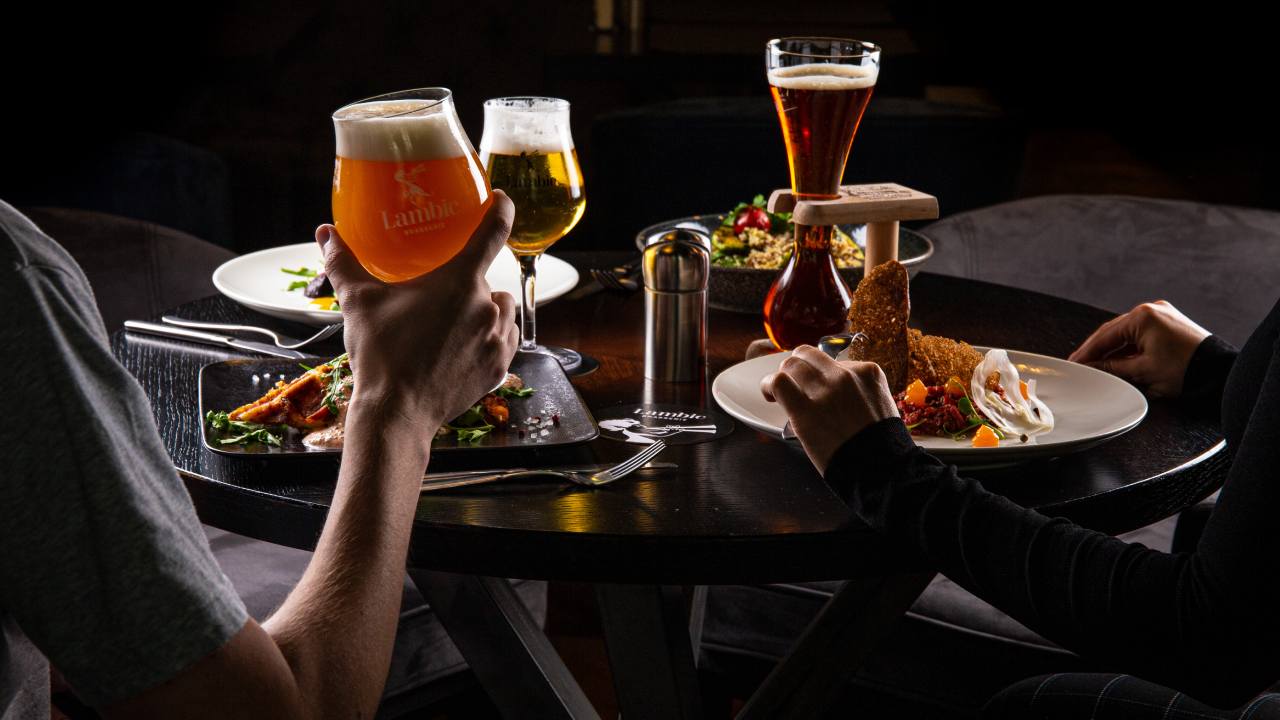
Contents How temperature changes taste, aroma, bitterness, and strength Which beer styles prefer cold, and which prefer warmth How we take care of temperature at Lambic Beer lovers know this well: pale lagers are best served ice-cold, while dark beers are noticeably better at warmer temperatures. Serving temperature is just as important a part of beer culture as the right glass or the freshness of the drink. It directly affects which flavors and aromas you perceive. Let’s break down what temperature different beer styles should be served at to reveal all their facets. How temperature changes taste, aroma, bitterness, and strength Beer contains a huge number of aromatic compounds — esters, phenols, hop oils, and various flavor notes. At low temperatures (around 0–4°C), these substances barely evaporate, so the aroma is almost imperceptible. The beer feels simply refreshing and flat. As it warms up (to 8–14°C), the aromatics begin to “wake up”: floral, citrus, spicy, or malty notes emerge. That’s why beer often “opens up” as you drink it. Temperature directly affects how basic tastes are perceived. Cold dulls the taste receptors, softening hop bitterness and making the beer more drinkable. This is ideal for light lagers. But in a dark ale or porter, where complex malty sweetness balanced by gentle bitterness is essential, cold will hide this harmony, leaving only a watery impression. Warmth, on the contrary, enhances both bitterness and sweetness, making the flavor fuller and more intense. Cold beer feels more carbonated and “sharp” on the tongue due to carbon dioxide. Warmer beer shows its body, oiliness, and creamy texture — qualities especially valued in good ales and stouts. Alcohol vapors also evaporate more readily in warmth. That’s why strong beer (above 7–8% ABV), if served too warm, can hit the nose with a harsh alcoholic aroma. Served too cold, it can create a deceptive sense of lightness, and intoxication may come unexpectedly. Which beer styles prefer cold, and which prefer warmth Broadly speaking, the entire beer spectrum can be divided into three temperature zones. Cold serving (4–7°C) — Pale lagers and pilsners. Their main purpose is to quench thirst. Cold highlights their cleanliness, light hop bitterness, and freshness.— Wheat beers (Weissbier). Cold serving enhances their spicy yeast character and citrus notes, making them incredibly refreshing.— Most mass-market beers. They are often served and stored ice-cold because low temperature masks possible flaws and a simple flavor profile, making them seem just fresh. Classic temperature (8–12°C) — Pale ales and IPAs. At this temperature, the full range of American or English hop aromas opens up — pine, citrus, tropical fruits — while bitterness remains balanced.— Amber ales and porters. Caramel and nutty malt sweetness becomes noticeable, and the texture turns rounder.— Quadrupels and other strong Belgian ales. The warmth is perceptible but doesn’t let alcohol dominate, allowing you to appreciate the fruity and spicy complexity. Warm serving (12–14°C and above) — Dark and imperial stouts. Only at this temperature do you truly experience chocolate, dried fruits, coffee, and caramel. The beer becomes like a refined dessert, with alcohol woven into the overall bouquet.— Traditional British ales. Their optimal serving temperature is room temperature (14–16°C). This reveals their malty, bready, often nutty character.— Complex Belgian ales (Trappist, abbey styles). Their fruity and spicy yeast profile requires warmth to fully unfold. How we take care of temperature at Lambic In our Lambic restaurants, the approach to temperature is part of our philosophy. Our storage system allows us to maintain different temperature regimes for different beer styles. In addition, we use the proper glassware. We never serve complex, warm beers in icy or frozen glasses. The glass is at room temperature so the beer’s flavor can reveal itself in all its dimensions. What we recommend to our guests: — Trust the staff. If you’re advised to let a beer stand for a few minutes, don’t ignore it. It means the beer will open up better after warming slightly in the glass.— Experiment. Take the same stout and try the first sip immediately, then another after 5–7 minutes. You’ll be surprised how much the flavor changes.— Don’t warm the glass with your hands. There’s no need to deliberately hold the glass in your palms, especially with strong beers. Let it warm naturally in the room.— Ask questions. Don’t hesitate to ask the bartender or server what temperature a particular beer style is usually enjoyed at. For us, that’s a sign of your interest, and we’re always happy to explain. Come to Lambic — we’ll not only help you choose a beer to your taste, but also serve it the way its character demands. And we also offer a wide selection of Belgian cuisine and a consistently cozy atmosphere. We look forward to welcoming you.
20 February 2026
The perfect evening with beer and meat: which steaks and meat dishes to choose
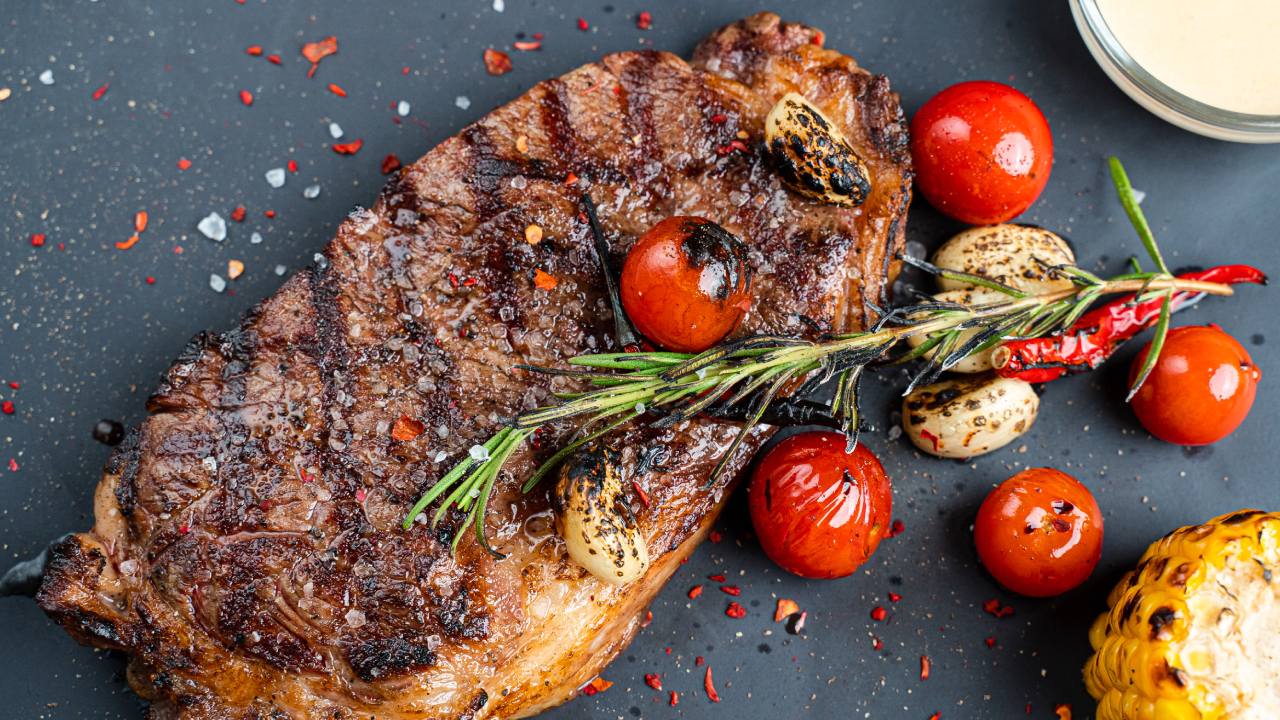
Contents What’s the secret Lambic’s meat hits and the perfect beer pairings Simple rules Beer is a universal drink: depending on the style, it can be paired with a wide variety of dishes, from rich appetizers to desserts. But a special kind of pleasure comes from serving meat dishes with a foamy pint. Let’s explain why this is such a worthy pairing and which meat-based beer snacks are truly ideal. What’s the secret Belgian beer offers hundreds of styles and directions—from fruity, spicy ales to deep, robust porters. That’s exactly why it can be called the perfect companion to meat delicacies. Almost any dish can be matched with a beer that highlights all its flavor nuances. In turn, the right meat dish helps reveal the depth and character of the beer. Lambic’s meat hits and the perfect beer pairings We explored interesting pairings of hot meat dishes and beer using selections from the Lambic menu. Ribeye Steak A premium steak cut from the thick edge of beef, famous for its marbling, juiciness, and rich flavor. Grilled with aromatic herb butter, it delivers a powerful, buttery finish. You need a drink that balances the richness of the ribeye, cleanses the palate, and highlights the caramelized grill notes. A beer that’s too light will get lost, while one that’s too bitter will clash. The perfect pair is a Belgian Dubbel or an IPA. The Dubbel beautifully echoes the meat’s caramelization. Its moderate carbonation and full body handle the fat, while its yeast-driven complexity harmonizes with the herbs. An American IPA, with its bright hop bitterness, balances the richness and refreshes the palate. Blade Steak with Potatoes in Svan Salt A more approachable yet incredibly flavorful steak from the shoulder cut. It’s often served with rich sauces—like in our case, with an aromatic red-wine demi-glace infused with cinnamon and star anise. The dish is deep and intense, with pronounced spicy accents. The beer should be strong and complex enough not to fade behind the sauce. The perfect pair is a Belgian Tripel or a Porter.Tripel is a golden, strong beer with noticeable alcohol warmth, light spice, and fruity esters. Its brightness and dryness contrast beautifully with the richness of the sauce, while the alcohol warmth supports the dish’s spices. A Porter, with notes of dark bread and caramel, creates a cozy, harmonious pairing. Grilled Sausages with Braised Cabbage and Mustard Appetizing sausages made from a blend of pork and beef, with a crispy casing, served alongside sweet-and-sour braised cabbage and spicy Dijon mustard. A great combination of fatty, sour, spicy, and smoky flavors (thanks to bacon in the cabbage). You need a versatile, refreshing yet not simplistic beer — one that cuts through the fat, softens the mustard’s heat, and complements the cabbage’s acidity. The perfect pair is a Pale Ale. Thanks to its expressive hop bouquet, it creates an interesting interaction with the dish. Its light fruitiness also highlights the caramelized sausage casing beautifully. BBQ-Glazed Pork Ribs with a Crunchy Salad Tender, fall-off-the-bone pork ribs coated in a thick, sweet-smoky glaze with Asian accents. Served with a cold, crunchy salad for contrast. This hot dish calls for a beer that can handle the sauce’s sweetness, refresh the palate, and either support the smoky notes or add a fruity freshness. The perfect pair is a Sour Ale or a Stout. For example, a Flemish red ale with its wine-like, fruity acidity works well — the complex bouquet pairs nicely with ginger and garlic in the glaze. A classic stout, with notes of roasted malt, bitter chocolate, and coffee, creates a powerful, almost dessert-like duo. It interacts with the glaze’s caramel notes, while its creamy texture balances the spice. Flemish-Style Beef Tender cuts of beef neck slowly braised in Bourgogne des Flandres beer. The result is incredibly soft and deep, with subtle acidity and spicy notes. Here, it’s best to choose a beer that creates flavor harmony. The perfect pair is the same beer used in cooking—or a similar sour or semi-sour ale. The beer’s acidity highlights the dish’s rich flavor, while its maltiness creates a complete, cohesive experience. Beef Steak with Mozzarella, Fried Egg, and Onion Marmalade A juicy chopped beef patty topped with stretchy mozzarella, a runny egg yolk, and sweet onion marmalade. A stunning combination of succulent meat, creamy cheese, egg, and sweet onion. The beer should bring all these elements together: handle the richness of the meat and cheese, avoid clashing with the egg, and emphasize the onion’s sweetness. The perfect pair is an Amber Ale. With its caramel-nutty malt profile and moderate bitterness, it complements the caramelized onions and highlights the steak’s savory depth. Simple rules Choosing meat and beer is based on simple principles of contrast and harmony. Rich and fatty dishes (ribeye, ribs) call for more bitter or sour beers. Spicy and complex dishes (blade steak, Flemish beef) need beers that are equally complex and strong. Simple, juicy dishes (sausages, beef steak) pair best with refreshing, balanced beers. Don’t be afraid to experiment and trust your senses. And if you want a guaranteed great experience — visit Lambic beer restaurants. Our servers will recommend the perfect meat to go with your beer. Enjoy your meal.
20 February 2026